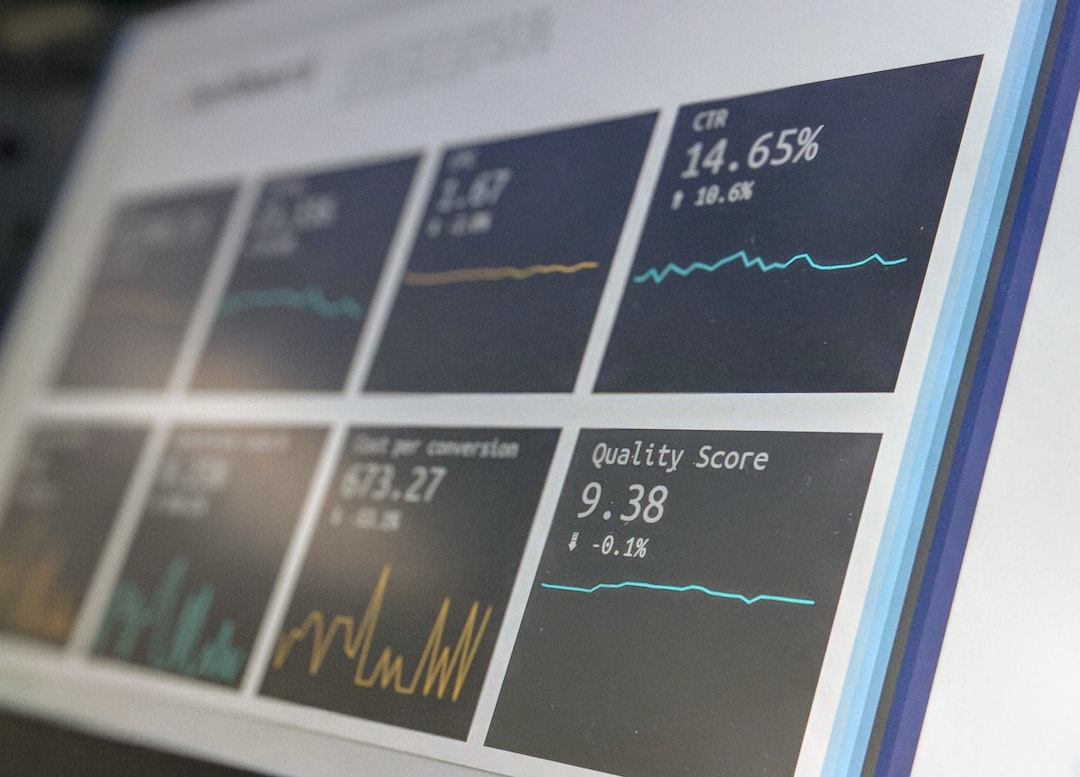
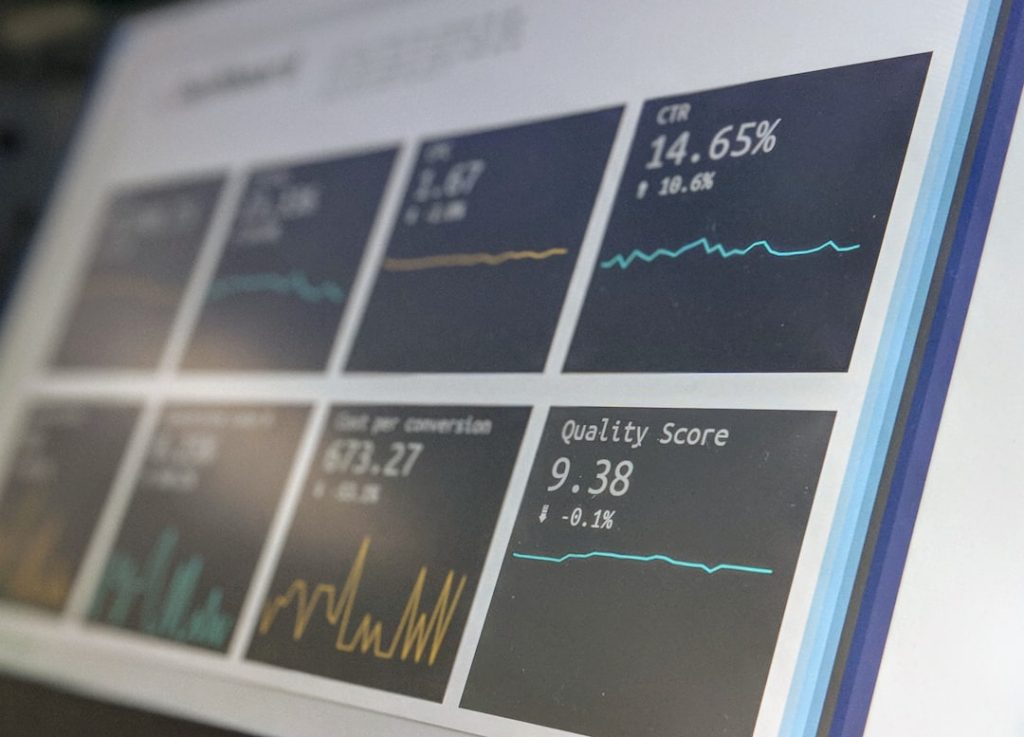
Open any analytics dashboard and you’ll see conversion timestamps down to the second. Clean numbers. Precise attribution. The only problem: most platforms are measuring the wrong moment.
Analytics tools record when the tracking pixel fired, when the webhook hit your server, or when the JavaScript event bubbled up. What they don’t capture—and can’t capture—is when the visitor actually decided to convert. That gap between decision and detection creates blind spots that skew how you read your funnel data.
The detection lag problem
A visitor reads your landing page at 2:14 PM. They’re convinced. But they don’t hit the button yet—they open three more tabs to compare pricing, check a review site, and read your refund policy. At 2:31 PM, they close the tabs and click through. Your analytics platform stamps the conversion at 2:31 PM and attributes it to a seventeen-minute session.
The reality: the conversion happened in the first ninety seconds. Everything after that was confirmation bias and friction removal.
This matters because most attribution models assign credit based on the timestamp of the tracked event, not the moment of intent. If you’re running time-based attribution windows—last-click within 7 days, for example—you’re giving credit to touchpoints that happened after the decision was already made.
Google Analytics 4 defaults to a 30-day click window and a 1-day view window. Plausible and Fathom don’t track cross-session attribution at all. None of them distinguish between decision time and detection time, because the browser has no way to know when a visitor made up their mind.
Where the gap shows up in your data
Time-on-page averages get inflated. If your analytics say visitors spend an average of four minutes on your sales page before converting, you’re probably looking at two minutes of reading and two minutes of tab-switching and mental accounting. The page itself only held attention for half that window.
Session duration becomes misleading for the same reason. A thirteen-minute session that ends in a sale might include eight minutes of the visitor doing something else entirely—answering an email, getting coffee, talking to a coworker. The conversion timestamp marks the end of that session, but the persuasive work was done much earlier.
This shows up most clearly in email campaigns. You send a newsletter at 9:00 AM. A reader opens it at 9:14 AM, clicks through to your product page, and leaves the tab open while they finish their morning routine. At 10:02 AM, they come back to the tab and complete checkout. Your analytics platform records a 48-minute gap between click and conversion. Your email platform reports the click at 9:14 AM. Neither tool knows that the decision was made at 9:16 AM and everything else was logistics.
How to interpret your timestamps correctly
Start by cutting your reported time-on-page numbers in half as a mental heuristic. It’s not precise, but it’s closer to reality than taking the raw figure at face value. If your analytics say visitors spend six minutes on a landing page before converting, assume the actual engaged time was closer to three.
For session-based conversion funnels, focus on the first touchpoint timestamp, not the last. If you’re trying to figure out what drives conversions, the moment someone entered your funnel is more predictive than the moment they finally clicked a button. This is especially true for content-driven businesses, where a visitor might read a blog post, leave, come back two days later, and subscribe. The blog post did the work; the subscription form just captured it.
When you’re analyzing email campaign performance, measure click-to-conversion time but assume the decision window was much shorter. If your average click-to-purchase time is thirty minutes, the actual persuasion probably happened in the first five. The rest is tab management and distraction.
For paid traffic, shrinking attribution windows make this worse. As platforms move toward same-day attribution—Meta and Google both tightened their windows in the past year—you lose visibility into conversions that were influenced early but detected late. A visitor who clicks your ad on Monday, thinks about it, and converts on Wednesday won’t show up in a one-day click window, even though the ad drove the decision.
What you can do about it
You can’t fix the detection lag, but you can design around it. If you’re running A/B tests on landing pages, extend your test duration to account for the gap between exposure and conversion. A visitor who sees variant B today might not convert until tomorrow, and if you stop the test too early, you’ll miss that delayed signal.
For content attribution, track entry page separately from conversion page. If someone lands on a blog post and converts three sessions later, your analytics platform will credit the last session’s entry page—probably your homepage or a direct visit. Manually tagging your highest-intent content and tracking it as a first-touch dimension gives you a clearer picture of what actually moves people.
If you’re using a tool like Google Analytics 4, create a custom event that fires when a visitor hits a high-intent action—scrolling to your pricing table, opening your FAQ accordion, clicking a comparison chart. Those micro-events are closer to the decision moment than the final conversion timestamp, and they give you a better signal for what’s working.
For email-driven conversions, segment by time-to-click rather than time-to-conversion. If someone clicks your email link within five minutes of opening, that’s a strong signal regardless of when they complete checkout. Late conversions still count, but early clicks tell you more about your message’s persuasive power.
One more thing: if you’re debugging a funnel that looks broken—high traffic, decent engagement, low conversions—check whether your analytics platform is recording conversions in a different session than the one where the decision happened. Cross-session attribution gaps are one of the most common reasons funnels appear to underperform when the real problem is measurement, not messaging.
Want more breakdowns like this? Subscribe to One Two Three Send—we dig into the mechanics of online-business tools every week, with no fluff and no vendor spin.