Blog
-
Scheduled post APIs fail silently—here’s what gets dropped
Social schedulers and WordPress post queues drop scheduled content when API rate limits, token expirations, or webhooks fail—and most don’t tell you.
-

Traffic attribution breaks when UTM parameters get stripped by platforms
Social platforms and email clients strip UTM tags before the click lands. Here’s what gets removed, when, and how to track without them.
-

WordPress cache expiration headers: what actually gets cached
Cache-Control and Expires headers control what browsers and CDNs store. Here’s what WordPress sets by default and when to override it.
-

Substack’s Section feature: when to split your newsletter
Substack Sections let you run multiple newsletters under one publication. Here’s how they work, when to use them, and a non-obvious filtering tip.
-

AI prompt version control: when edits break what used to work
Iterating on AI prompts without saving prior versions costs you hours of re-testing. Here’s how to track what worked and when it stopped.
-
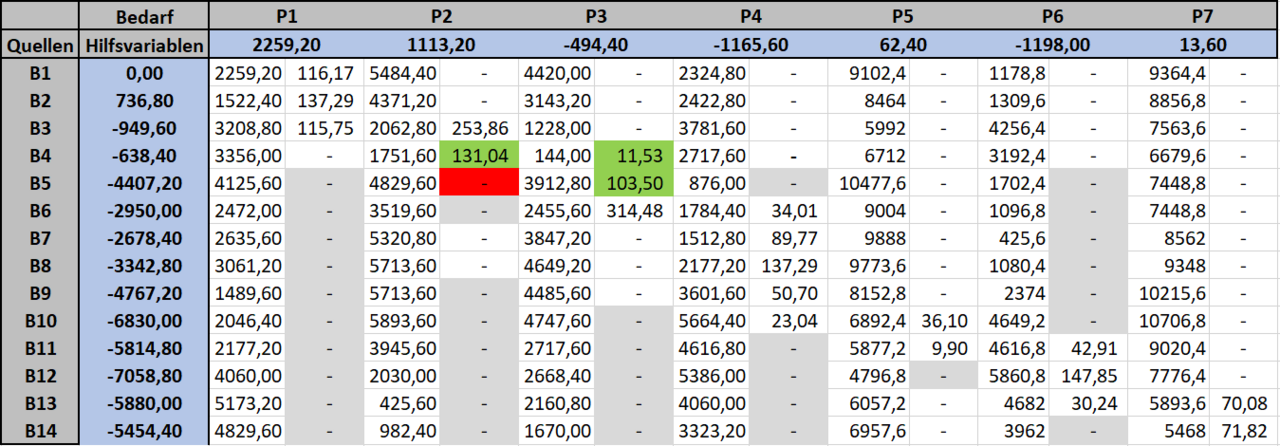
Stop using spreadsheets as product roadmaps—they hide dependencies
Spreadsheets can’t show you what breaks when priorities shift. Here’s why solo operators need visual roadmap tools instead.
-

Course platform video bandwidth caps: what breaks at 1TB
Most course platforms enforce hidden bandwidth limits. Here’s what happens when you hit them, which platforms cap where, and how to plan storage before you publish.
-

Why solo operators need fewer analytics dashboards, not better ones
Most indie operators open six dashboards to answer one question. Consolidation beats depth every time.
-

SEO keyword cannibalization: when two posts compete and both lose
Multiple pages targeting the same keyword confuse search engines and split traffic. Here’s how to spot it and which post to consolidate or redirect.
-
WordPress CDN purge delays: when edge caches serve stale content
CDN cache purges don’t happen instantly. Here’s how long edge nodes take to refresh and what to do when readers see old content.