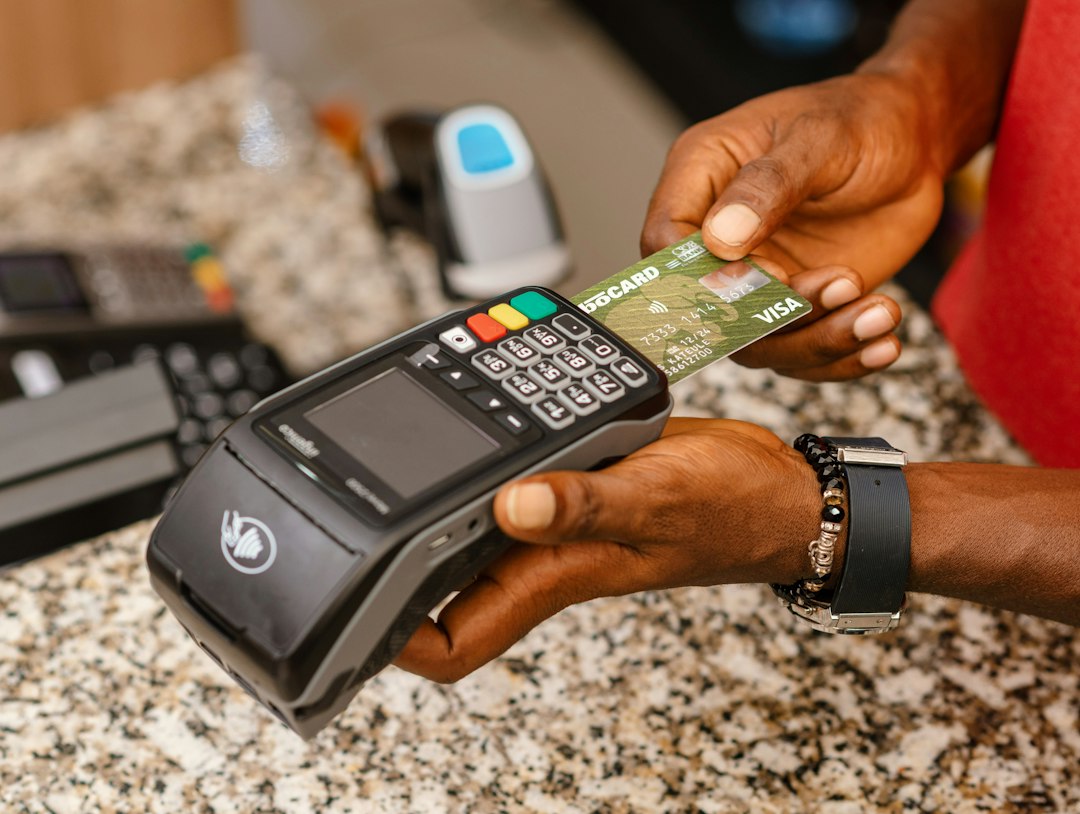
Walk through the back end of most solo-operated businesses and you’ll find at least two payment processors wired up: Stripe for subscriptions and one-clicks, PayPal for the holdouts who won’t touch a credit card form, maybe a third regional option if you serve international customers hard.
The logic makes sense on paper. More payment options theoretically means fewer abandoned carts. But dual processor setups introduce reconciliation overhead, split your transaction history across dashboards, and double your compliance surface area. For a lot of operators, the second processor is dead weight.
Here’s how to figure out whether you actually need both—and what the math looks like when you don’t.
What dual processors actually cost you
The direct fees are visible: Stripe charges 2.9% + $0.30 per transaction in the U.S., PayPal runs similar rates but adds a fixed fee for certain cross-border transactions. If your average order is $47 and you process 120 transactions a month across both platforms, the percentage fees are roughly equivalent.
The hidden cost is operational. You’re logging into two dashboards to pull reports. Your accounting workflow imports two CSVs. Refunds, disputes, and chargebacks follow different processes. If you’re running a subscription model, you’re managing two sets of dunning logic, two retry schedules, two places where a customer’s card can fail.
One operator I spoke with last month was processing $11,400 monthly revenue—78% through Stripe, 22% through PayPal. She spent 90 minutes each month reconciling the two, manually matching PayPal transactions to her CRM because her automation tool couldn’t reliably handle both feeds. At $150/hour effective rate, that’s $225/month in reconciliation labor to preserve $2,508 in PayPal revenue. The margin was there, but barely.
When two processors make sense
There are clear cases where parallel processors pay off:
- Geographic coverage gaps. If you serve customers in regions where Stripe doesn’t operate or where PayPal has significantly better local currency support, the second processor isn’t optional—it’s infrastructure.
- Customer concentration risk. If one processor represents 95% of your revenue and that account gets frozen during a routine compliance review, you’re dead in the water. A second processor acts as insurance, especially if you’re in a higher-risk category like digital downloads, consulting, or anything with delayed delivery.
- Measurably different conversion rates. Some audiences simply won’t convert without PayPal. If A/B tests show that offering PayPal increases completed checkouts by 12% or more, and your average customer value justifies the added complexity, keep both.
But most operators I’ve reviewed don’t fit these profiles. They added PayPal three years ago because a handful of customers asked for it, and it’s been running on autopilot ever since.
How to audit your processor split
Pull the last 90 days of transaction data from both platforms. You’re looking for three numbers:
Volume distribution. What percentage of transactions flow through each processor? If one handles less than 10% of total volume, you’re maintaining an entire integration for edge cases.
Revenue per transaction. Calculate average order value by processor. If your PayPal transactions average $23 and your Stripe transactions average $68, you’re using PayPal for low-value impulse buyers and Stripe for your core customers. That’s fine if the volume justifies it, but if those $23 orders represent 6% of monthly revenue, you’re over-indexed on supporting them.
Dispute and refund rates. Pull your chargeback and refund rates by processor. If one consistently runs 3x the dispute rate of the other, you’re absorbing higher operational friction and potentially higher fees for that segment.
One operator dropped PayPal after discovering that 91% of their PayPal transactions were under $15, with a 9% refund rate compared to 2% on Stripe. The hassle of managing two systems wasn’t worth the $340/month in low-margin revenue.
What happens when you consolidate
Expect some falloff. When you remove a payment option, a small percentage of customers won’t convert. Industry benchmarks suggest 5–8% of buyers abandon checkout when their preferred payment method disappears.
But that’s gross abandonment, not net revenue loss. Many of those buyers come back and pay with the remaining option. Others were bottom-of-funnel browsers who weren’t going to convert anyway. The actual revenue loss tends to be 2–4% in the first month, then levels off.
The flip side: your reconciliation time drops to near zero, your dunning logic runs on one system, and your accounting close gets 40% faster. For most operators, that trade makes sense once one processor dips below 15% of total revenue.
If you’re still on the fence, try this: turn off the secondary processor for two weeks and measure what happens. Route 100% of traffic through your primary processor, track conversion rate and completed transactions daily, and see whether the drop is material. If you lose less than the cost of managing two systems, make the cut permanent.
One last thing: if you found this useful, you’ll want the next one. Subscribe to One Two Three Send and get operator-focused breakdowns like this in your inbox twice a week.