UTM parameters can break your funnel
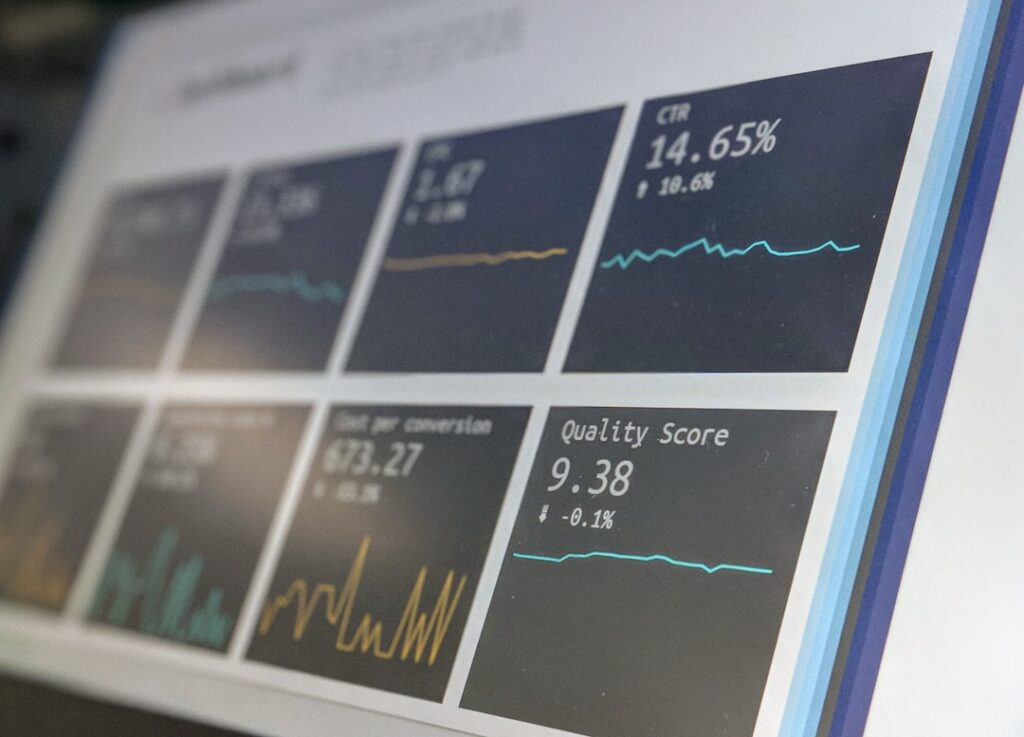
UTM parameters can break your funnel
Traffic source tagging helps you measure campaign performance—until it fragments sessions, breaks cookies, and ruins the data you’re trying to collect.
You append utm_source and utm_campaign to every link you share, convinced that tagging discipline separates operators who understand their funnel from those who guess. Your analytics dashboard fills with neat rows of traffic sources, each click attributed to the email, the tweet, the Facebook ad that sent it.
Then you notice: session counts are inflated, affiliate commissions aren’t tracking, and the same visitor shows up three times in your conversion funnel because every UTM-tagged link you sent them started a fresh session.
Traffic source tagging was supposed to clarify attribution. Instead it’s fragmenting your data, breaking cookie-based tracking, and making it impossible to know which channel actually converts. Tomorrow’s premium edition walks through exactly when UTM parameters break your funnel—and when to leave them off entirely.
You’ll see how affiliate networks lose commission attribution when UTM tags overwrite their click IDs, why some analytics platforms count every tagged click as a new session even when the visitor never left, and which parameters actually matter for campaign tracking versus which ones just pollute your data.
Read the full edition
Tomorrow’s premium edition breaks down exactly when UTM parameters fragment your sessions, kill affiliate tracking, and skew the attribution data you’re trying to collect—plus when to skip them entirely.
Tag what matters, skip what breaks it.
The One Two Three Send Team
PS: Tomorrow’s deep dive includes real examples of when each UTM parameter causes session fragmentation—and the three scenarios where you should never tag at all.