Social platforms move disclosure rules faster than the FTC
The coffee’s gone cold in your mug, three browser tabs are open to Instagram’s brand content policy, TikTok’s creator marketplace guidelines, and the FTC’s most recent disclosure enforcement action—and none of them quite agree on where the word “Ad” belongs.
Social platforms enforce disclosure placement stricter than federal rules require
The FTC says “clear and conspicuous,” but Instagram, YouTube, LinkedIn, and TikTok each demand different formats and positions.
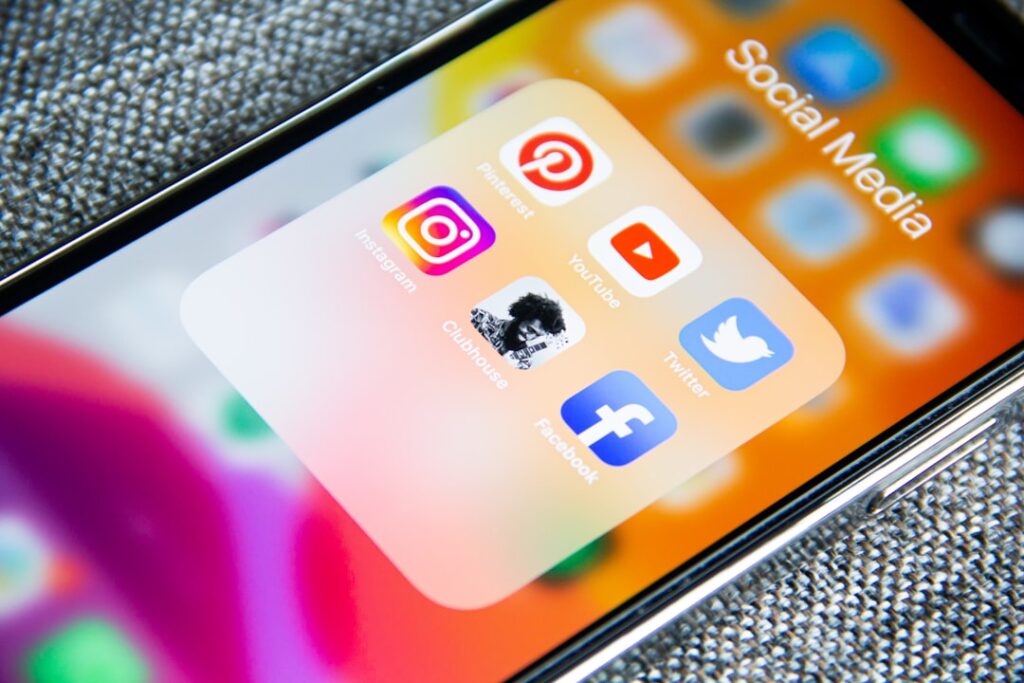
Federal guidance on sponsored content disclosure has stayed fairly stable since 2017: disclosures must be unavoidable, in plain language, and positioned before someone has to click, scroll, or hunt. The FTC doesn’t prescribe exact character counts or hashtag order. It leaves room for format variation as long as the disclosure is “likely to be noticed.”
But the platforms don’t wait for regulatory precedent. Instagram requires its built-in “Paid partnership” tag for any branded content in certain creator categories and hides posts that don’t use it. YouTube demands that creators toggle the disclosure switch in Studio before uploading, and non-compliance triggers demonetisation faster than a copyright strike. LinkedIn’s sponsored content API won’t publish a post unless the disclosure field is populated. TikTok’s creator marketplace enforces its own label for any campaign booked through the platform—your hashtag disclosure isn’t enough if the deal was intermediated.
The result: operators running cross-platform campaigns now maintain disclosure checklists by network, not by regulation. A single sponsored post can require four disclosure methods—native platform toggle, caption hashtag, voiceover callout, and visual text overlay—depending on where it’s published. Miss one, and you’re not just risking an FTC warning letter; you’re risking account suspension, withheld payouts, or removal from creator programmes that took months to access.
This matters for newsletter operators who also publish video, carousels, or Reels to drive list growth. You’re not just writing “Sponsored” at the top of an email. You’re navigating disclosure UX that changes every quarter, enforced by algorithms that don’t send warnings before they act.
TACTIC
Cross-posting tools treat replies inconsistently—and disclosures get lost
When you schedule a single post to Instagram, LinkedIn, and Twitter simultaneously, most cross-posting tools preserve captions but strip native disclosure toggles. Buffer, Hootsuite, and Later all handle platform-specific branded content flags differently—some ignore them entirely, others prompt you to toggle separately per network, and a few silently omit the disclosure unless you’ve authenticated with business permissions. If you’re running sponsored campaigns cross-platform, test what actually publishes before the brand’s compliance team audits your posts. One missing toggle can void a contract faster than low engagement.
WORTH READING
Google rewrites a third of all page titles automatically—including disclosure language
You write a careful title tag for a sponsored landing page, front-load the disclosure, optimise for clarity—and Google rewrites it in search results, sometimes dropping the “Sponsored by [Brand]” prefix entirely. The rewrite rate sits around 33 per cent across all page types, and Google prioritises brevity and brand recognition over your carefully crafted compliance language. If your traffic source is organic search and your disclosure lives in the title tag, you need to know when Google will honour it and when it’ll strip it for a site-name append or keyword injection. The FTC cares what users see before they click; Google cares about click-through rate.
FROM THE ARCHIVE
Analytics platforms count conversions differently—so do disclosure impressions
Stripe says you had 47 conversions last week. Google Analytics reports 52. Your email platform claims 41 click-to-purchase events. None of them agree, and the gap isn’t rounding error—it’s methodology. The same fragmentation affects disclosure tracking: Instagram counts impressions server-side, TikTok counts them client-side after render, and YouTube counts a view only after three seconds of watch time. If you’re required to report disclosure reach as part of a sponsorship contract, you need to know which number the brand’s legal team will accept—and which platform’s definition matches the FTC’s standard for “likely to be noticed.”
Know someone who would like this? Forward today’s email—every operator we reach is one closer to running an online business with a little less friction.