AI pricing caps hit mid-project—here's the workaround math
The coffee’s gone cold in your cup, your browser has fourteen tabs open, and the API quota warning just fired for the third time this week—except this time you’re two thousand words into a newsletter draft that needs to ship in six hours.
AI pricing caps hit mid-project—here’s the workaround math operators actually use
Most AI tools reset usage limits monthly, but your work doesn’t stop when the counter hits zero.
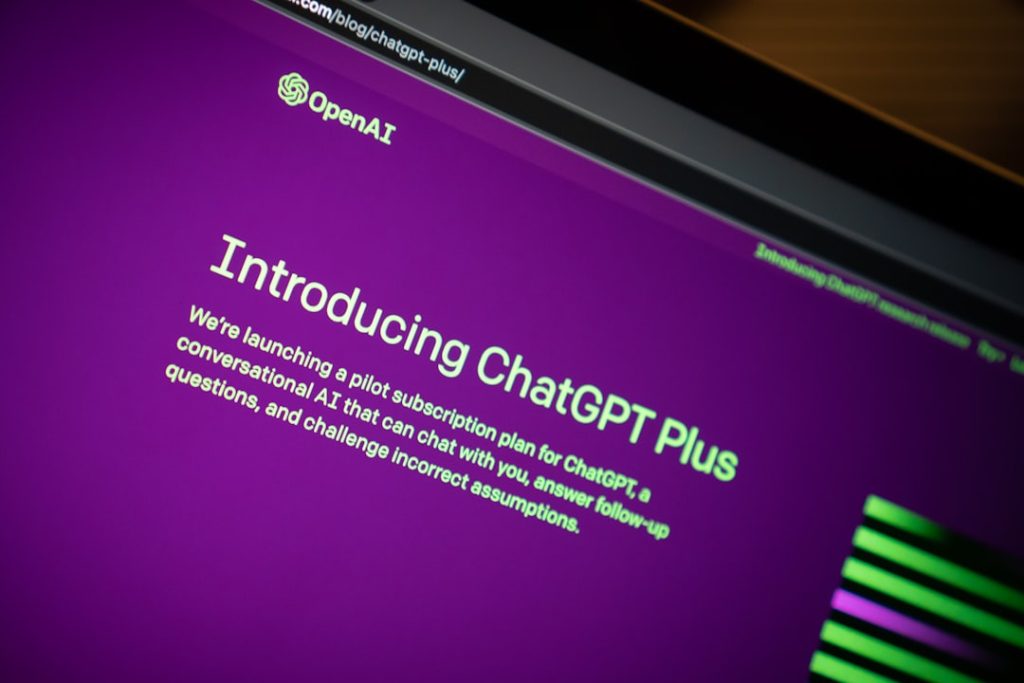
ChatGPT Plus caps you at forty messages per three hours on GPT-4o during peak times. Claude Pro throttles at five projects and a rolling context window. Jasper, Copy.ai, and Writesonic all sell “unlimited” plans that quietly introduce soft limits once you pass a certain token threshold. The problem isn’t the cap itself—it’s that you discover it halfway through a client deck, a product launch sequence, or a sponsored brief that’s due tomorrow.
When you hit the ceiling, three paths open: pay for another seat on a different email address, switch models mid-task and risk tone drift, or stop and wait for the reset timer. None of these options appear in the pricing calculator. The first workaround costs you an extra subscription you’ll forget to cancel. The second fragments your prompt history across platforms and makes versioning impossible. The third kills momentum and pushes deadlines into the next billing cycle, which means you’re paying twice for work that should have fit in one window.
Operators who run multiple projects—newsletter, client work, course content—learn to track usage by the day, not the month. They set a internal threshold at seventy per cent of the cap, then triage requests by value. High-leverage work (revenue-generating copy, sponsor pitches, product descriptions) gets priority access. Low-leverage tasks (rephrasing social captions, summarising articles you could skim) get pushed to free-tier tools or manual effort. The cap becomes a forcing function: if you wouldn’t pay double to generate it, you probably shouldn’t generate it at all.
TACTIC
When chunking your prompt saves tokens—and when it costs you clarity
Large context windows sound like a shortcut: paste the entire draft, ask for edits, and let the model work. But token limits don’t scale linearly with quality. If you’re ten per cent over your quota, splitting a ten-thousand-word document into three chunks might keep you under the cap—but it also means the AI loses narrative thread between sections, repeats itself, and misses callbacks. The decision isn’t technical; it’s editorial. Chunking works for modular tasks like FAQ rewrites or list expansions. It fails for anything that needs tone consistency or structural awareness across paragraphs.
WORTH READING
Productivity tools fail when you buy for features instead of workflow
Most operators hit an AI usage cap because they’re running three overlapping subscriptions—one for writing, one for research, one for images—and none of them map cleanly to the actual sequence of work. You chase the feature list instead of auditing where the bottleneck lives. A writing tool with unlimited generations sounds perfect until you realise you spend more time editing outputs than drafting from scratch. The same logic applies to social schedulers, analytics dashboards, and automation platforms. Buying before you map your workflow means you’ll either underuse the plan or exceed the cap on the wrong tasks.
FROM THE ARCHIVE
Why saving every version of your prompt matters more than the final draft
When you hit a usage cap mid-project, the instinct is to switch tools and re-run the same prompt elsewhere. But if you’ve been iterating in one interface without saving each version, you lose the trail that got you to the good output. Versioning isn’t about perfectionism—it’s about recovery. When a new model returns weaker results or a context window shrinks, you need to roll back two steps and try a different fork. Operators who track prompt iterations can move between tools without starting from scratch. Those who overwrite every time end up rewriting the entire brief under a ticking quota clock.
Know someone who would like this? Forward today’s email—every operator we reach is one closer to running an online business with a little less friction.