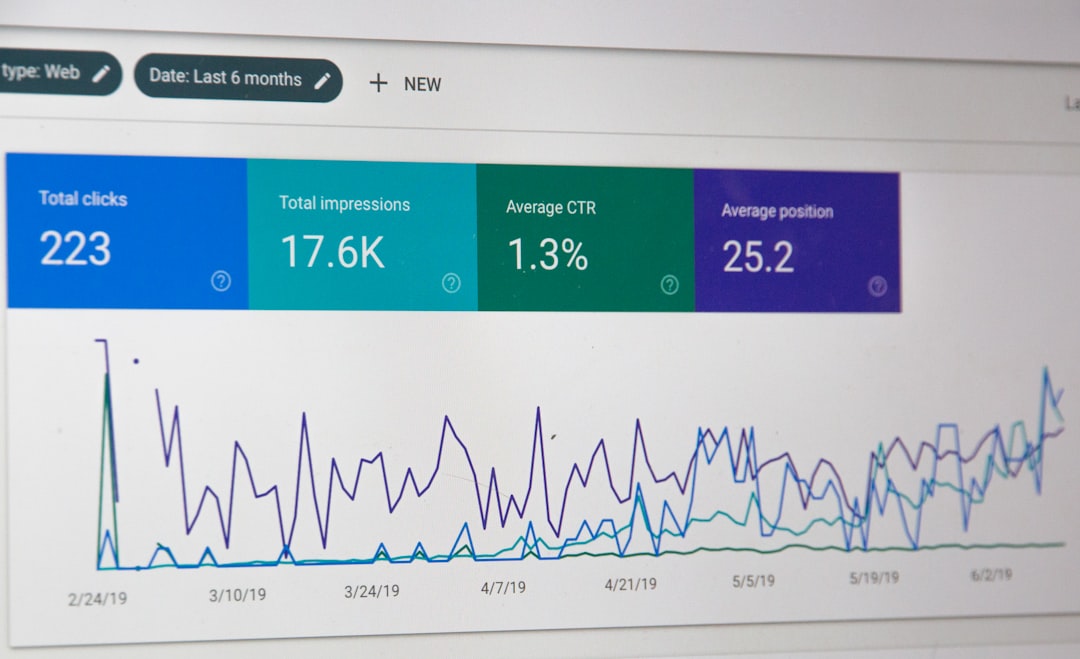
Most solo operators check Google Search Console for keyword rankings and click-through rates. They skim the Performance report, maybe filter by a few landing pages, then move on. Meanwhile, there’s a second traffic source sitting in the same dashboard that most people never open: the Discover report.
Google Discover is the feed that appears when you open a new tab on Chrome mobile or swipe right on Android home screens. It’s algorithmic, personalised, and—when it picks up your content—capable of sending thousands of visits in a single day. Unlike search traffic, you don’t rank for it. Google decides what to show based on user behaviour, topic velocity, and content freshness.
If you’ve never checked your Discover report, you’re flying blind on a traffic source that could already be working for you—or that you’re one article away from unlocking.
Where to find it and what it shows
In Google Search Console, the Discover report lives under the main navigation, separate from the Performance tab. If you don’t see it, that means Google hasn’t logged any Discover impressions for your site in the last 16 months. That’s not a failure—it just means your content hasn’t triggered the algorithm yet, or your audience demographic skews desktop-heavy.
If the report is there, you’ll see impressions and clicks broken down by URL and date. Unlike search traffic, there are no keywords. Discover doesn’t work that way. Users don’t query; Google surfaces content it thinks they’ll engage with based on past behaviour and trending topics.
The chart will show spikes—sometimes dramatic ones. A single article can go from zero Discover impressions to 40,000 in 48 hours, then drop back to nothing. That’s normal. Discover traffic is bursty and short-lived, unlike the steady climb of organic search.
What triggers Discover traffic
Google hasn’t published a scoring rubric, but patterns emerge when you compare performing URLs. Discover favours:
- Recency. Articles published or updated in the last 72 hours perform better. Evergreen content rarely appears unless it’s tied to a breaking news hook.
- High-quality images. Google explicitly recommends large images (at least 1200px wide). Articles without featured images or with low-resolution thumbnails get filtered out.
- Topics with momentum. If a subject is trending across the web—new product launches, regulatory changes, viral discourse—Discover amplifies it. Niche topics with low search volume can still perform if the zeitgeist is right.
- Engagement signals. If users who do see your content in Discover click, read, and don’t bounce immediately, Google shows it to more people. If they swipe past, it dies.
Crucially, Discover doesn’t care about your domain authority or backlink profile the way search does. A two-month-old site can land in Discover if the content and timing align. That makes it one of the few Google traffic sources where new operators compete on roughly equal footing.
How to use the data
If you are getting Discover traffic, the report tells you which topics and formats resonate outside of search intent. Compare your top Discover URLs to your top search URLs. If they don’t overlap, you’ve found a content wedge: topics that people engage with when surfaced passively, even if they’re not actively searching for them.
Check the date pattern. If your Discover traffic clusters around publication day and fades within a week, that’s a signal to publish more frequently in that topic area. Discover rewards freshness, so a higher cadence gives you more at-bats.
If a specific article spiked, look at what made it timely. Did you tie it to a news event? A product launch? A meme cycle? Discover isn’t a place for evergreen SEO content—it’s a feed, and feeds thrive on the new.
One non-obvious move: if you’re seeing Discover impressions but low click-through, your image or headline isn’t pulling its weight. Discover users scroll fast. Your thumbnail needs to stop the thumb, and your headline needs to justify the tap. Test different featured images and headline styles in future posts. Discover traffic is free A/B testing for visual appeal.
What it means if you’re not in Discover yet
Most content sites won’t see Discover traffic, and that’s fine. It’s not a requirement for a healthy business. But if you’re publishing timely, visual content in areas where people have passive interest—tech releases, industry news, cultural commentary—it’s worth optimising for.
The barrier to entry is lower than you think: add large images, publish when a topic is moving, and make sure your site is mobile-friendly. Google’s more likely to surface you in Discover if your content works well on the platform where Discover lives—phones.
If you want to see whether you’re close, check your Search Console Discover report monthly. Even a handful of impressions means Google is testing you in the feed. If those impressions convert to clicks, the algorithm may start showing you more often.
Want sharper insights on traffic, tools, and online-business operations? Subscribe to One Two Three Send and get one focused article like this in your inbox every week.