Blog
-

AI model context windows: when to chunk prompts vs. send everything
Large context windows don’t always mean better results. Here’s how to decide when to split your AI prompts and when to send the full document.
-

Stop buying productivity tools you’ll abandon in 30 days
Most productivity software purchases fail because operators chase features, not workflows. Here’s how to audit before you buy.
-

Most online operators track revenue wrong—it compounds
Revenue tracking errors aren’t one-time problems. They multiply across platforms, decisions, and tax filings—here’s how to fix them before they scale.
-

Paid social campaign dashboards update on different schedules
Facebook Ads, Google Ads, and LinkedIn all refresh metrics at different intervals. Here’s what that means when you’re comparing performance.
-
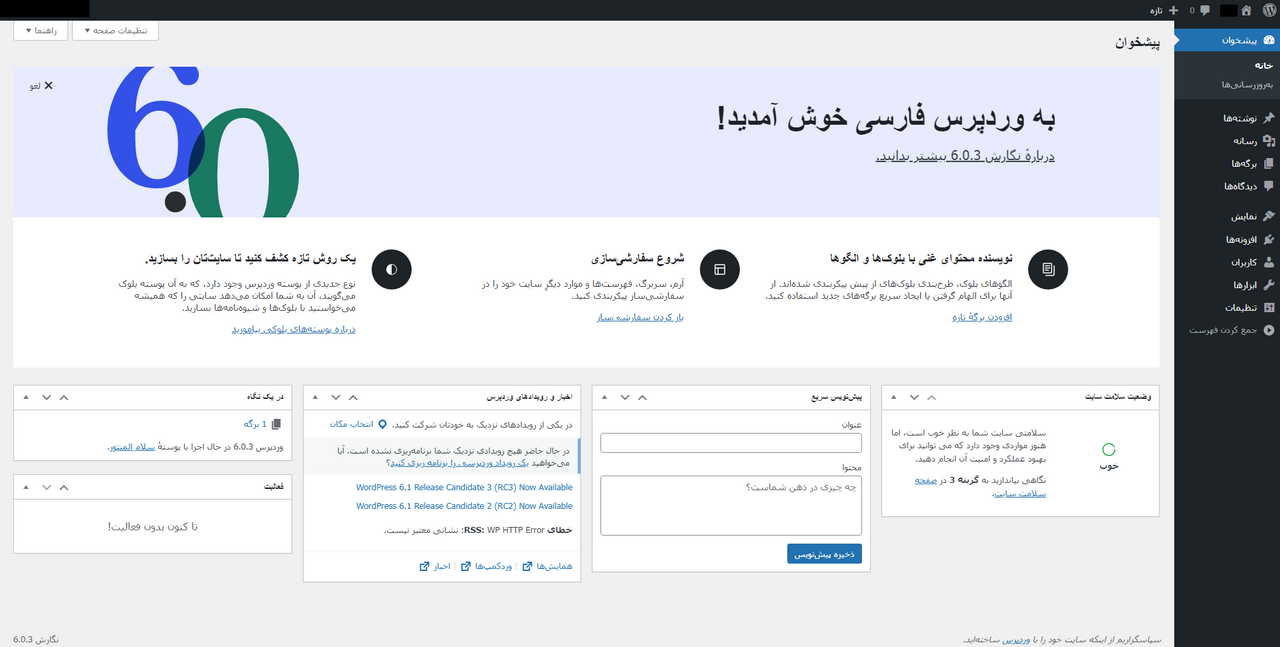
WordPress REST API rate limits: what trips automated workflows
Most hosting providers throttle REST API requests. Here’s how to identify the ceiling before your sync tools break.
-

Lemon Squeezy’s webhook signature verification: how it works
Lemon Squeezy sends HMAC signatures with every webhook. Here’s how to validate them server-side and why skipping this step is a liability.
-

Substack’s custom domain setup: DNS propagation vs. SSL timing
Understanding why your custom domain goes live before HTTPS works—and what to tell readers waiting for the switch.
-

Traffic attribution breaks when you change page URLs mid-campaign
Renaming slugs or moving pages during active campaigns breaks source tracking. Here’s what happens to your attribution data and how to preserve it.
-
AI prompt versioning: why saving iterations matters more than the final draft
Most operators overwrite prompts with each tweak. Versioning lets you roll back when context shifts, compare outputs, and debug what stopped working.
-
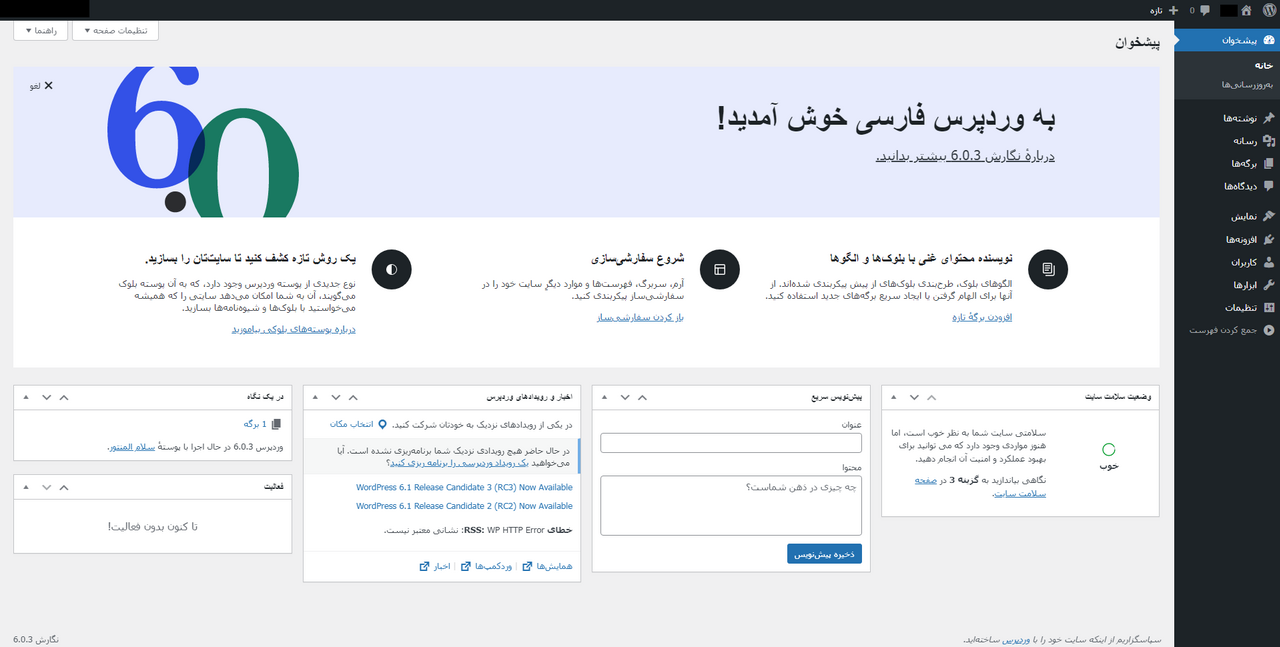
WordPress plugin auto-updates: when to enable and when to audit first
Auto-updates sound safe until a minor version breaks your forms or tracking. Here’s how to decide which plugins get the green light.