Newsletter platforms now ship with referral programs baked in. Beehiiv, Sparkloop, and MailerLite all offer one-click setups that promise viral growth: readers share a unique link, hit milestones, unlock rewards. The theory is simple. The reality is messier.
After watching dozens of operators test these systems, a pattern emerged. The built-in widgets consistently underperform compared to manual referral tracking paired with direct reader outreach. The gap isn’t small, and the reasons aren’t obvious until you run both approaches side by side.
Where platform referral tools create friction
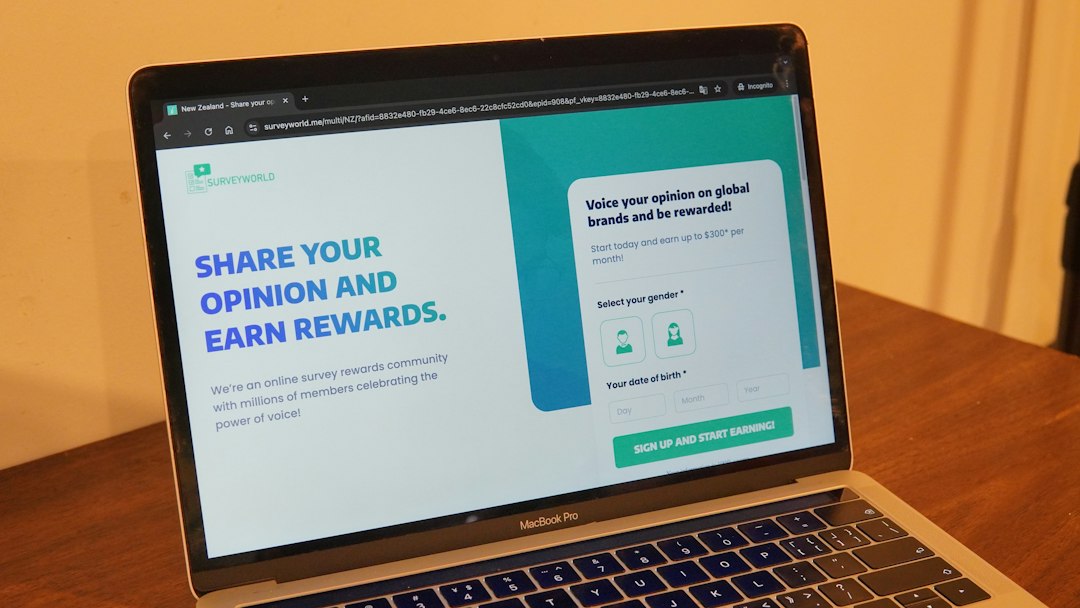
Most referral widgets require readers to click through to a separate landing page, enter their email again to generate a unique link, then copy and share that link. That’s three steps before anyone sees a reward tier.
Beehiiv‘s referral program (checked November 2026) auto-generates these pages and tracks clicks, but readers still need to navigate away from your content to find their personal link. MailerLite’s referral feature (checked November 2026) works similarly: a dedicated dashboard where subscribers claim their link and monitor progress.
The friction compounds when readers forget their link. They return to your newsletter, click through again, log in again, copy again. Each step bleeds participants.
Compare that to a simple call-to-action in your regular email: “Forward this to a colleague. If they subscribe and reply with who sent them, you both get early access to next month’s template pack.” One action. No dashboard. No separate page.
Reward tiers and the motivation gap
Platform referral systems lean on tiered rewards: refer 3 people, get a sticker; refer 10, get a bonus issue; refer 50, get a one-on-one call. The tiers are visible upfront, which sounds like good design but often backfires.
When a reader sees that the reward they actually want requires 25 referrals, and they realistically know three people who might subscribe, they don’t share at all. The gap between effort and payoff kills intent before it starts.
Manual referral programs let you collapse that gap. Offer a single, immediate reward for any referral that converts. One friend subscribes, both people get something useful. No ladder to climb. No milestone math.
This also lets you adjust rewards in real time. If a particular incentive isn’t driving shares, you swap it out in the next email. Platform tools lock you into the tiers you configured, and changing them mid-campaign confuses people already tracking their progress.
Attribution and the silent majority
Referral widgets track clicks and conversions automatically, which is their main selling point. But that tracking only works when readers use the unique link. Most don’t.
Readers forward your email directly. They screenshot a paragraph and post it in a Slack channel. They mention your newsletter in a reply-all thread at work. None of that generates a tracked referral, so the person who drove those signups gets no credit and no reward.
Manual tracking flips this. When you ask new subscribers “How did you hear about us?” in your welcome email, you capture forwards, mentions, and word-of-mouth that referral dashboards miss. You can still reward the original sharer even when the platform has no idea they exist.
Yes, this requires reading replies and keeping a spreadsheet. For most solo operators running lists under 10,000 subscribers, that’s 15 minutes a week. The conversion intelligence you gain—who’s sharing, what they’re saying, which issues get forwarded—pays for the time.
When to use the built-in tool anyway
Platform referral programs do work in two scenarios. First, if you’re already running a list above 25,000 subscribers and manual tracking isn’t feasible, the automation wins by default. Second, if your audience is highly motivated and reward-focused—think crypto newsletters, investing communities, SaaS founder groups—the gamification of tiered milestones can drive genuine competition.
But for most operators sending weekly insights, interviews, or tutorials to a few thousand readers, the built-in tools add complexity without adding results.
If you want referrals, put a single-sentence ask in your next email. Offer one clear reward. Track responses manually for a month. Compare the conversion rate to whatever your platform widget has generated. Then decide whether the dashboard was worth the friction.
What’s working for you? Reply and let us know whether you’ve seen platform referral tools outperform simple asks—we read every response.
Heads up — some links in this article are affiliate links. If you sign up through them, we may earn a small commission at no extra cost to you. We only recommend tools we use ourselves.