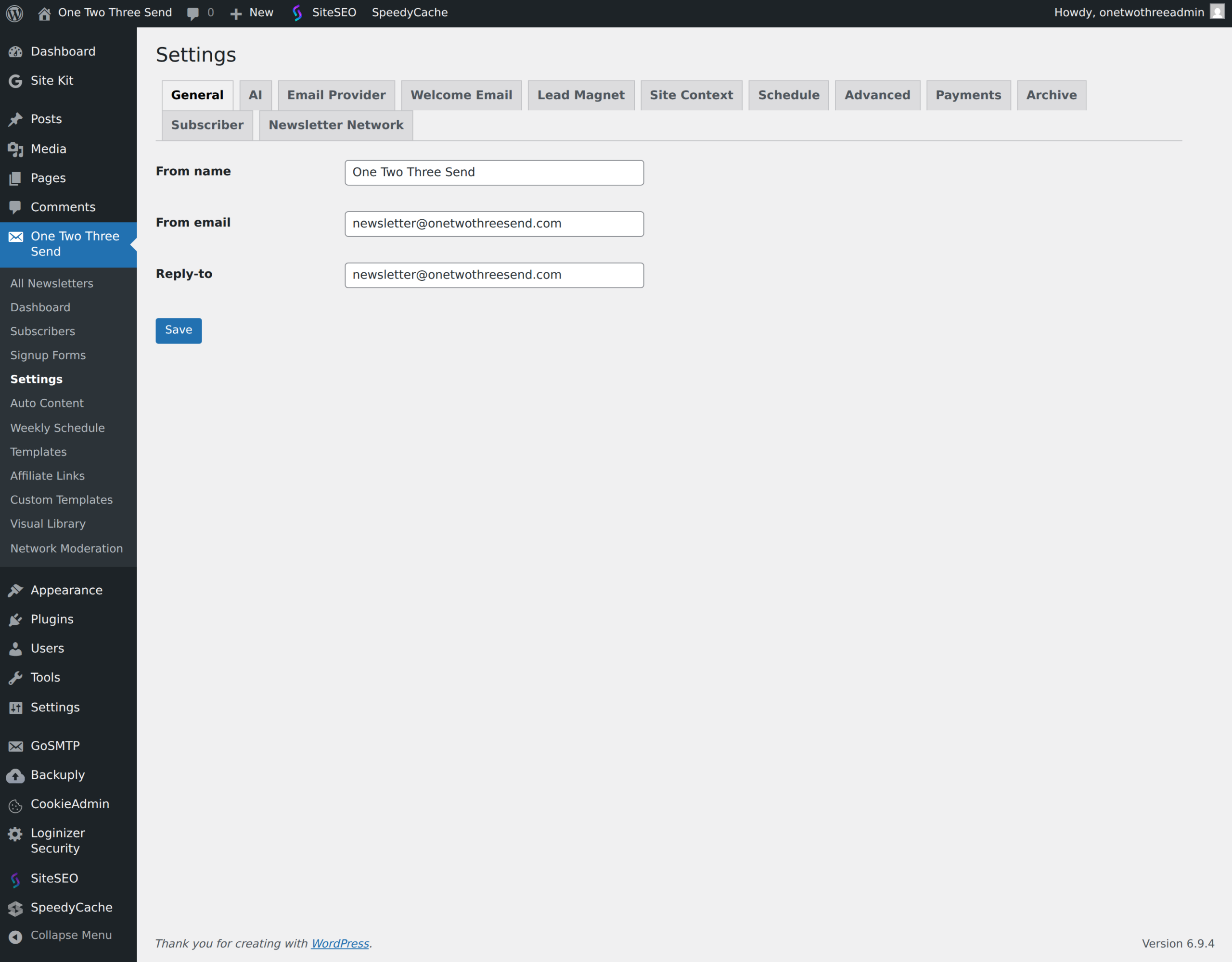
You’ve spent twenty minutes testing subject lines. You’ve A/B tested emojis, punctuation, and whether to capitalise every word or just the first. Meanwhile, the field that’s actually doing the heavy lifting—the one that decides whether your email even gets considered—is something you set once and never think about again.
Your from name isn’t just a label. It’s the first trust signal, the primary filter, and for most subscribers, the only thing they actually read before deciding to open, delete, or ignore.
The inbox is a recognition game, not a curiosity game
Here’s what actually happens when your email lands: your subscriber glances at their inbox, scans a wall of sender names, and makes a split-second decision based on whether they recognize and trust the source. Subject lines only matter after that recognition happens.
If your from name is unclear, generic, or doesn’t match what they remember signing up for, your subject line never gets read. It doesn’t matter how clever it is.
This is why ‘Newsletter’ or ‘Team’ or ‘Info’ as a from name is such a quiet killer. It’s not that these are wrong—it’s that they’re invisible. They don’t trigger recognition. They look like every other bulk email, every automated receipt, every bit of inbox noise your subscriber is already trained to ignore.
Personal name vs brand name isn’t the real question
The most common advice is to use either a personal name (“Sarah Chen”) or your publication name (“The Morning Briefing”). But the actual rule is simpler: use whatever they’ll recognize fastest.
If you’re a solo operator and your writing voice is personal, your name works. If you’ve built a brand and people know the publication, use that. If you’re somewhere in between, the hybrid format (“Sarah from The Briefing”) tends to win because it gives two chances at recognition instead of one.
But here’s what most people miss: the from name you think you’re using isn’t always what subscribers see. Mobile mail clients truncate aggressively. Gmail cuts off after roughly 20–25 characters depending on font rendering. Apple Mail on iPhone is even less forgiving.
If your from name is “Sarah Chen – The Morning Briefing for Product Managers”, most of your readers see “Sarah Chen – The Morni…” and have no idea what that is.
Test it the way subscribers actually see it
Send yourself a test email. Check it on your phone. Open it in Gmail’s mobile app, Apple Mail, Outlook on iOS—whatever your audience actually uses. Look at your inbox, not the open email. That truncated, half-visible string? That’s your real from name.
If it’s not immediately clear who it’s from, you’ve got a problem that no subject line can fix.
Also check what happens when someone saves you as a contact or when their mail client auto-suggests your address. Some platforms let you set a “friendly from” that’s different from your sending domain, but if those don’t align, you create confusion. Confusion kills opens.
What actually works
The best from names are short, distinct, and stable. You want subscribers to recognize you in under a second, and you want that recognition to be consistent every time you send.
If you change your from name frequently—switching between your personal name, your brand, and “The Team” depending on the topic—you’re training people not to recognize you. Every change resets the clock on familiarity.
Consistency isn’t boring. It’s strategic. The publications with the highest open rates aren’t the ones with the cleverest subject lines—they’re the ones people recognize instantly and have learned to trust.
If you haven’t looked at your from name in six months, look at it now. Send a test, check your phone, and ask yourself honestly: if this landed in your inbox among fifty other emails, would you know what it was?
If the answer’s no, fix it before you write another subject line.
What does your from name actually say? Reply and tell us—or if this hit home, subscribe to One Two Three Send for more like this every week.