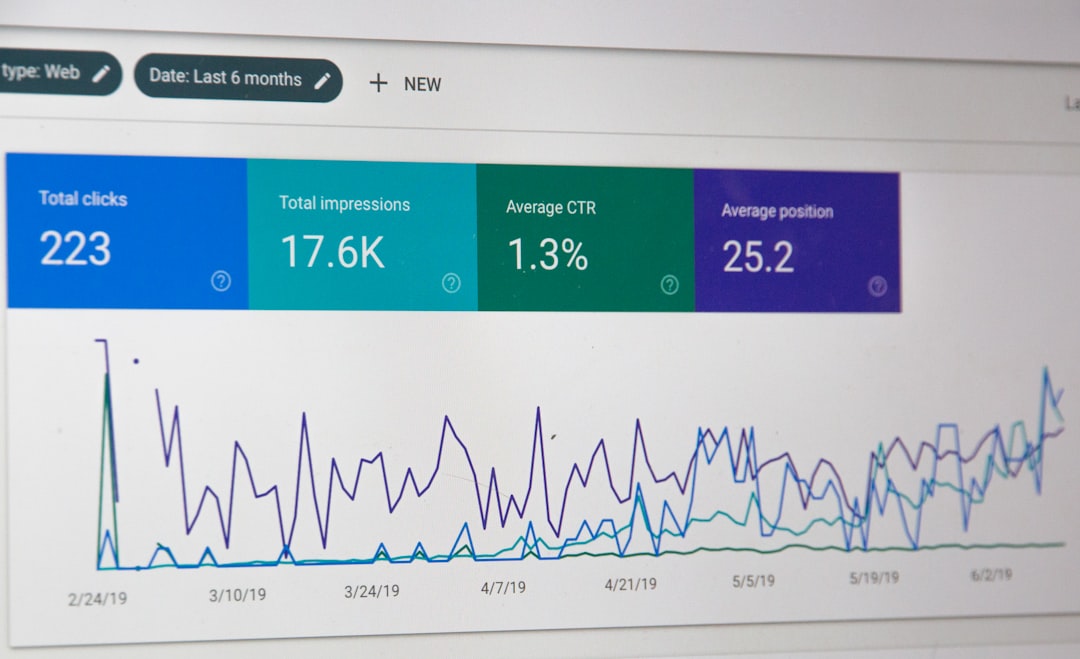
Search traffic has a schizophrenic reputation among solo operators. Half the internet swears it takes eighteen months to see results. The other half is selling you a course promising page-one rankings in six weeks.
Both are wrong, but in useful ways.
The truth sits in an inconvenient middle ground that doesn’t make for good social media advice: SEO is slower than impatience allows and faster than pessimism assumes. The operators who succeed are the ones who understand which parts move quickly and which parts require compounding time.
The first 90 days: faster than you think
If you publish a well-structured article targeting a low-competition keyword today, Google will index it within hours. If the topic has search volume and your site has even modest authority, you’ll see impressions within a week. Clicks follow within two to four weeks.
This isn’t theory. A site with six months of history and a handful of backlinks can rank on page two or three for a long-tail query in under thirty days. That might be position 18, earning you four visits a month — but it’s movement, and it’s measurable.
What kills most operators here isn’t the timeline. It’s the expectation mismatch. Four visits feels like failure when you were hoping for four hundred. But those four visits are the seed. Google is watching dwell time, bounce rate, and whether anyone links to the piece. If the content satisfies intent, that position-18 ranking starts climbing.
The mistake is publishing one article, seeing no avalanche, and concluding SEO is broken. The thirty-day window shows you whether you’re in the game. It doesn’t deliver the outcome.
Months 3–9: the compounding lag
This is where the eighteen-month myth comes from, and where most operators bail out.
Between month three and month nine, growth is nonlinear and maddeningly inconsistent. You’ll publish your best work and watch it sit at position 22 for sixty days. Then a piece you half-forgot about will jump to position 7 overnight and stay there. Another will flatline for four months, then double its traffic in week seventeen.
Google’s ranking algorithm isn’t slow — it’s Bayesian. It’s testing your content against user behavior signals and adjusting confidence intervals over time. A new page doesn’t get the benefit of the doubt. It earns trust through sustained performance: low pogo-sticking, returning visitors, inbound links from related content, and topic clustering across your site.
This is the phase where consistency matters more than velocity. Publishing two articles a week won’t make Google trust you faster. But publishing one strong piece a week for six months builds a content graph that signals topical authority. That’s what moves the needle.
Operators who succeed here treat months 3–9 as infrastructure work. You’re not optimizing for this week’s traffic. You’re building the conditions for month twelve.
Month 9 onwards: the hockey stick (if you earned it)
If you’ve published consistently, targeted search intent accurately, and built internal links between related pieces, month nine is where traffic curves upward.
This isn’t magic. It’s Google’s algorithm deciding your site is a reliable source for a topic cluster. Once that happens, new content ranks faster. A piece that would have taken ninety days to hit page one in month four might land there in three weeks by month ten.
The compounding effect is real, but it requires critical mass. A site with eight articles won’t experience it. A site with sixty articles spanning three related topic clusters will.
The other shift: older content starts climbing. Articles you published in month two that plateaued at position 15 suddenly jump to position 6. Not because you updated them (though that helps), but because the authority of your overall site lifted them.
This is when operators start calling SEO “passive income.” It’s not passive — you built the asset — but the return on effort does change. Month twelve traffic reflects work you did in month four.
The part everyone gets wrong
The real mistake isn’t misunderstanding the timeline. It’s treating SEO as binary.
Operators either go all-in, publish five articles a week, see no hockey stick by month six, and quit — or they dismiss SEO entirely, chase social traffic, and wonder why their business is a treadmill.
The correct move is to start SEO earlier than feels exciting and diversify sooner than feels necessary. If you’re at zero, publish one search-optimized article a week and spend the rest of your time on faster channels: social, newsletters, communities. By month six, search will be contributing 15–20% of your traffic. By month twelve, it might be 40%. That’s not a disappointing result — it’s compounding leverage.
The operators who win are the ones who accept that SEO is a portfolio position, not a sprint. Start it now. Don’t wait for it to pay off before you do anything else. And don’t quit three months in because the curve hasn’t bent yet.
What’s working for you? Reply and tell me where you are in the timeline — and whether the curve matches what you expected.